Pelvic Floor Therapy
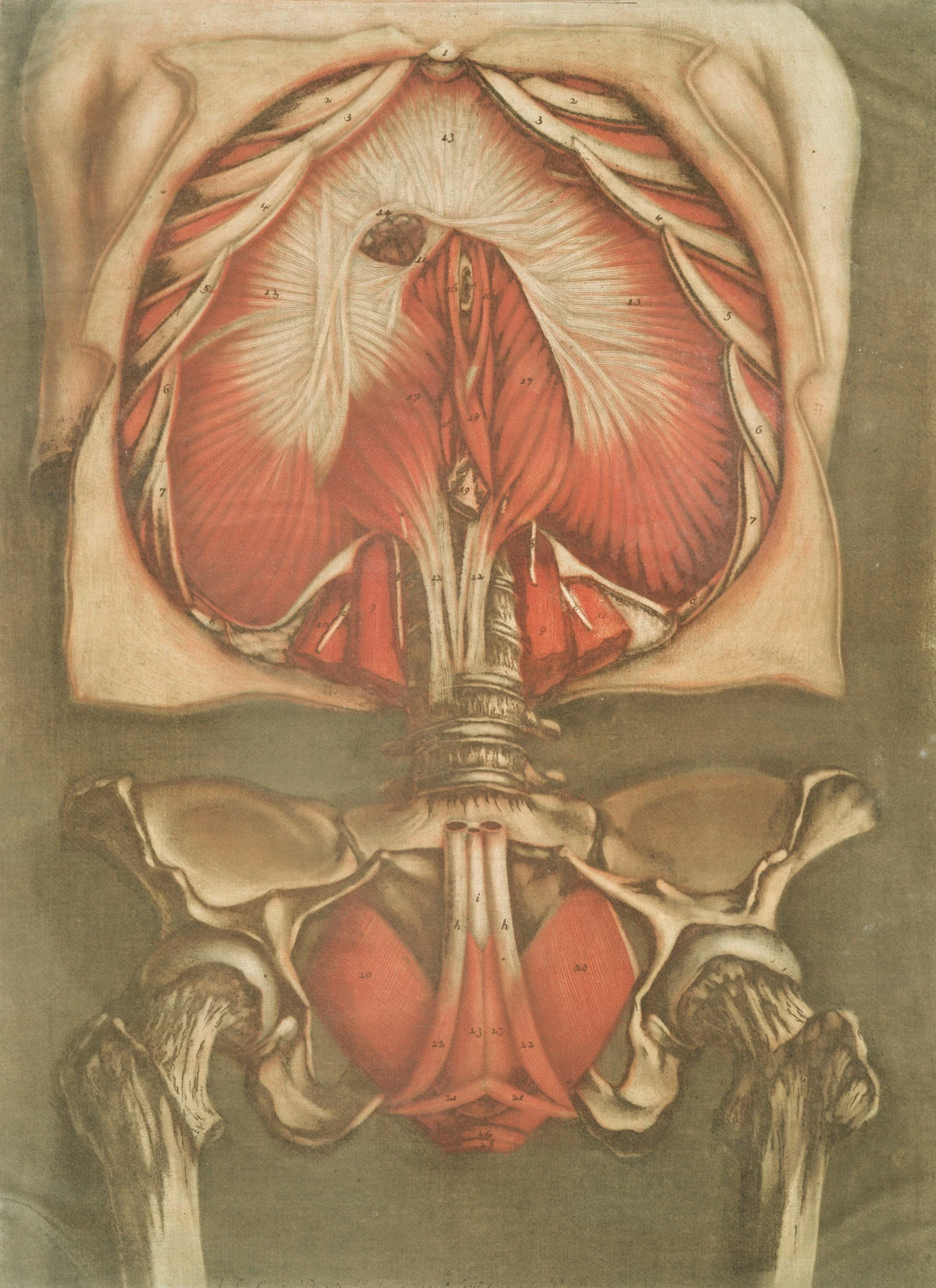
Pelvic floor physical therapy is a specialized approach to evaluating and treating the muscles, ligaments, and connective tissues at the base of the pelvis. These muscles act as a supportive hammock for your bladder, bowel, and reproductive organs, and play a critical role in core stability, waste elimination, and sexual function. When these muscles become too tight, too weak, or uncoordinated, it can lead to pain, discomfort, and disruption in your daily life. Targeted physical therapy helps restore proper function, balance, and coordination to your pelvic floor.
Comprehensive Conditions We Treat:
Bladder & Bowel Dysfunction: Urinary urgency, frequency, fecal or urinary incontinence, leaking when coughing or sneezing, and chronic constipation.
Pelvic Pain Disorders: Chronic pelvic pain syndrome (CPPS), vulvodynia, endometriosis-related pain, and interstitial cystitis.
Pregnancy & Postpartum Recovery: Pre-natal preparation, diastasis recti (abdominal separation), pubic symphysis dysfunction, and postpartum healing. Sexual Dysfunction: Dyspareunia (painful intercourse), vaginismus, and pelvic-related dysfunction.
Core & Structural Weakness: Pelvic organ prolapse (POP), rectus diastasis, hip instability, and unresolved back or sacroiliac (SI) joint pain.
What to Expect From Your Care:
Comprehensive Assessments: We begin with a thorough, private evaluation of your medical history, posture, core strength, and pelvic muscle function to pinpoint the cause of your symptoms.
Customized Internal & External Therapy: Treatment plans are entirely tailored to you and may include gentle manual therapy, myofascial release, biofeedback, and targeted relaxation or strengthening techniques.
Advanced Specialized Interventions: To accelerate your healing, we seamlessly integrate advanced modalities like joint manipulation to restore proper mobility of the spine, pelvis, and hips, alongside dry needling to target deep musculoskeletal tissue and rapidly relieve chronic pelvic and myofascial pain.
Education & Home Empowerment: We guide you through lifestyle modifications, breathing mechanics, and a personalized exercise program so you can confidently maintain your progress long-term.
Headaches, Migraines, & Vertigo
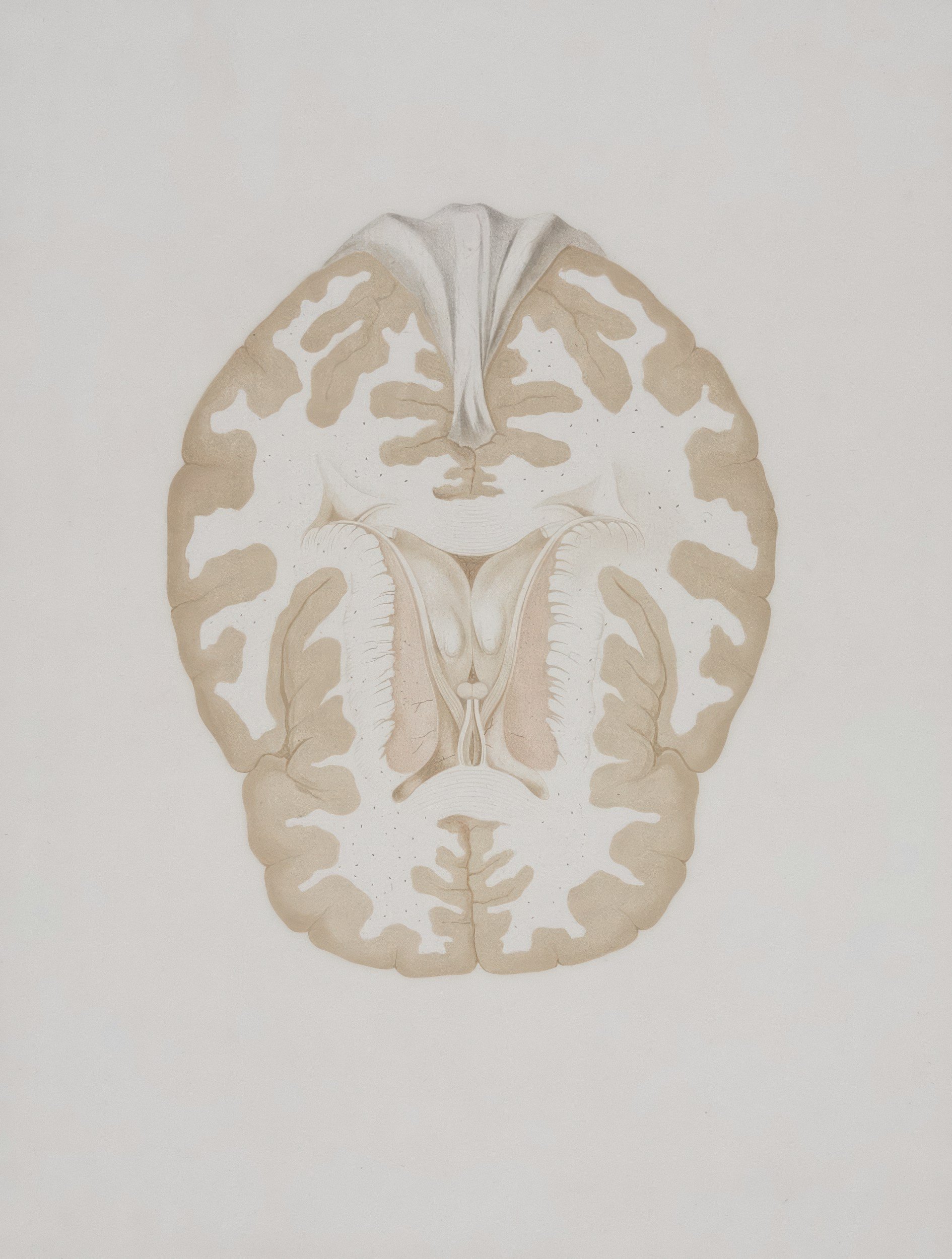
Specialized care for tension/cervicogenic headaches utilizes advanced, evidence-based physical therapy frameworks and clinical concepts. We target the neurological, muscular, and joint structures that trigger chronic head pain. Instead of simply masking symptoms with medication, our targeted hands-on approach treats the neuromuscular and structural causes of your discomfort. By restoring proper joint mobility and releasing deep tissue tension, we help significantly reduce headache frequency, duration, and intensity.
Headache Types We Successfully Treat:
Cervicogenic Headaches: Headaches that originate from stiffness, dysfunction, or nerve irritation in the upper cervical spine (neck).
Tension-Type Headaches: Pain characterized by a dull, aching band of tension around the forehead, scalp, or base of the skull.
Chronic Migraines: Throbbing head pain often accompanied by sensitivity to light, sound, or nausea, which can be mitigated through targeted physical and neuromusculoskeletal therapy.
Post-Concussion & Maxillofacial Pain: Persistent headaches following a head injury, or head pain linked to temporomandibular joint (TMJ) and jaw dysfunction.
Benign Paroxysimal Positional Vertigo (BPPV) is one of the most common causes of vertigo-a sudden, intense sensation that you or your surroundings are spinning. This debilitating condition occurs when tiny calcium carbonate crystals (otoconia) become dislodged from their proper place in the inner ear and float into the fluid-filled semicircular canals. When you move your head, these displaced crystals travel through the canal, sending false signals to your brain that cause brief but severe episodes of spinning, dizziness, and nausea.
Vestibular rehabilitation and BPPV treatment focuses on precisely identifying which ear canal is affected and utilizing proven mechanical maneuvers to safely guide the crystals back to where they belong, providing rapid and often immediate relief.
Symptoms We Successfully Target:
Sudden Spinning Sensations: Intense vertigo triggered by specific head movements, such as rolling over in bed, tilting your head up to look at a high shelf, or bending down.
Movement-Induced Nausea: Nausea, vomiting, or motion sickness that accompanies or immediately follows a dizzy spell.
Advanced Evaluation & Treatment
Because BPPV can affect different canals in the inner ear, a generalized approach does not work. We utilize advanced, highly targeted vestibular techniques to accurately diagnose and resolve your vertigo:
Diagnostic Positional Testing: We perform specialized movement tests, such as the Dix-Hallpike maneuver, while closely tracking your eye movements (nystagmus). This allows us to pinpoint the exact inner ear canal where the crystals are trapped.
Canalith Repositioning Maneuvers: Once identified, we guide you through specific, controlled head and body sequences-such as the Epley maneuver or Semont maneuver. These precise movements use gravity to safely roll the misplaced crystals out of the canal and back into the central chamber of the ear, where they can be naturally reabsorbed by the body.
Comprehensive Neck & Spine Screenings: Because neck stiffness can mimic or worsen dizziness, we screen and treat the upper cervical spine to ensure your neck joints and muscles are not contributing to your symptoms.